
TL;DR: In 2026, commercial cleaning services in Central Scotland typically range between £20 and £30 per hour per cleaner for standard maintenance. Monthly contracts for medium-sized offices usually sit between £800 and £2,000, depending on frequency. Factors like staff headcount (especially for sites with 25+ employees), specialist hygiene requirements, and the Real Living Wage are the primary drivers of cost this year.
Let’s be honest: talking about money can feel a bit awkward. But if you’re running a business in Edinburgh, Glasgow, or anywhere along the M8 corridor, you need to know exactly where your budget is going. Whether you’re managing a high-end tech hub in the capital or a busy distribution centre in North Lanarkshire, the "how much does it cost?" question is always top of mind.
At BD365 Facilities Management and Commercial Cleaning Solutions, we believe in being upfront. The days of "hidden fees" and "vague estimates" are long gone. In 2026, transparency isn't just a nice-to-have; it’s essential for building trust. So, let’s pull back the curtain and look at what commercial cleaning pricing looks like right now.
Why have prices changed in 2026?
If you’ve noticed a slight tick upward in your cleaning quotes compared to a couple of years ago, you aren't imagining it. The industry has seen a 5–10% annual shift due to a few key factors: inflation, rising energy costs for equipment, and: most importantly: fair pay.
In Scotland, there is a strong (and right!) push for the Real Living Wage. For a professional cleaning company to attract and keep the best staff: the kind of people you actually want in your building after hours: we have to pay them well. Better pay equals better reliability and a much higher standard of work. It’s pretty straightforward, right?

The Core Factors: What Moves the Needle?
Every building is different. A 5,000 sq. ft. warehouse doesn't require the same level of detail as a 5,000 sq. ft. medical lab. When we sit down to calculate a quote for commercial cleaning services, we look at these four main pillars:
1. Staff Headcount and Footfall
This is the big one. We often ask, "How many people work in your office?" If you have a team of 25+, your high-traffic areas: kitchens, toilets, and breakout zones: are going to need significantly more attention than a quiet satellite office with three staff. More people equals more touchpoints, more waste, and more "lived-in" grime.
2. Frequency of Clean
Are you looking for a daily sweep, or is a three-times-a-week schedule enough?
- Daily (5-7 days): Best for high-traffic environments to keep standards consistent.
- Periodic: Monthly deep cleans or quarterly window and carpet cleaning to supplement daily maintenance.
3. Specialist Requirements
Standard office cleaning is one thing, but if you require biohazard cleaning or specialist floor treatments, the price reflects the training and PPE involved. If your site handles sensitive data or complex machinery, the cleaners need a specific skillset, which moves the service into a more premium bracket.
4. Location: The Central Scotland Factor
Pricing in Edinburgh and Glasgow can be slightly higher than in more rural areas due to parking levies, congestion charges, and higher local labour competition. However, Central Scotland remains more cost-effective than London or the South East, usually sitting about 15-20% lower on average.
Breaking Down the Numbers: 2026 Estimates
While every quote is bespoke, it helps to have some "ballpark" figures to work with when you're planning your 2026/27 budgets.
| Service Type | Estimated Rate (2026) | Best For |
|---|---|---|
| Standard Commercial Cleaning | £20 – £30 per hour | General offices, retail, and low-risk sites. |
| Specialist/Industrial Cleaning | £25 – £45 per hour | Factories, labs, and high-spec tech facilities. |
| Deep Cleaning (One-off) | £250 – £900+ (Site dependent) | End of tenancy, post-construction, or seasonal refreshes. |
| Biohazard/Trauma Cleaning | Bespoke Quote | High-risk environments requiring certified disposal. |
Monthly Contract Examples
- Small Office (Under 10 staff): Expect to pay between £300 and £800 per month for basic maintenance.
- Medium Office (25–50 staff): Typically ranges from £800 to £2,000 per month depending on the frequency of kitchen and washroom sanitisation.
- Large Commercial Sites/Warehouses: These often start at £2,000+ and are usually priced by the square metre (£1–£3 per sqm) rather than just hourly rates.
Hourly vs. Fixed Contract: Which is better?
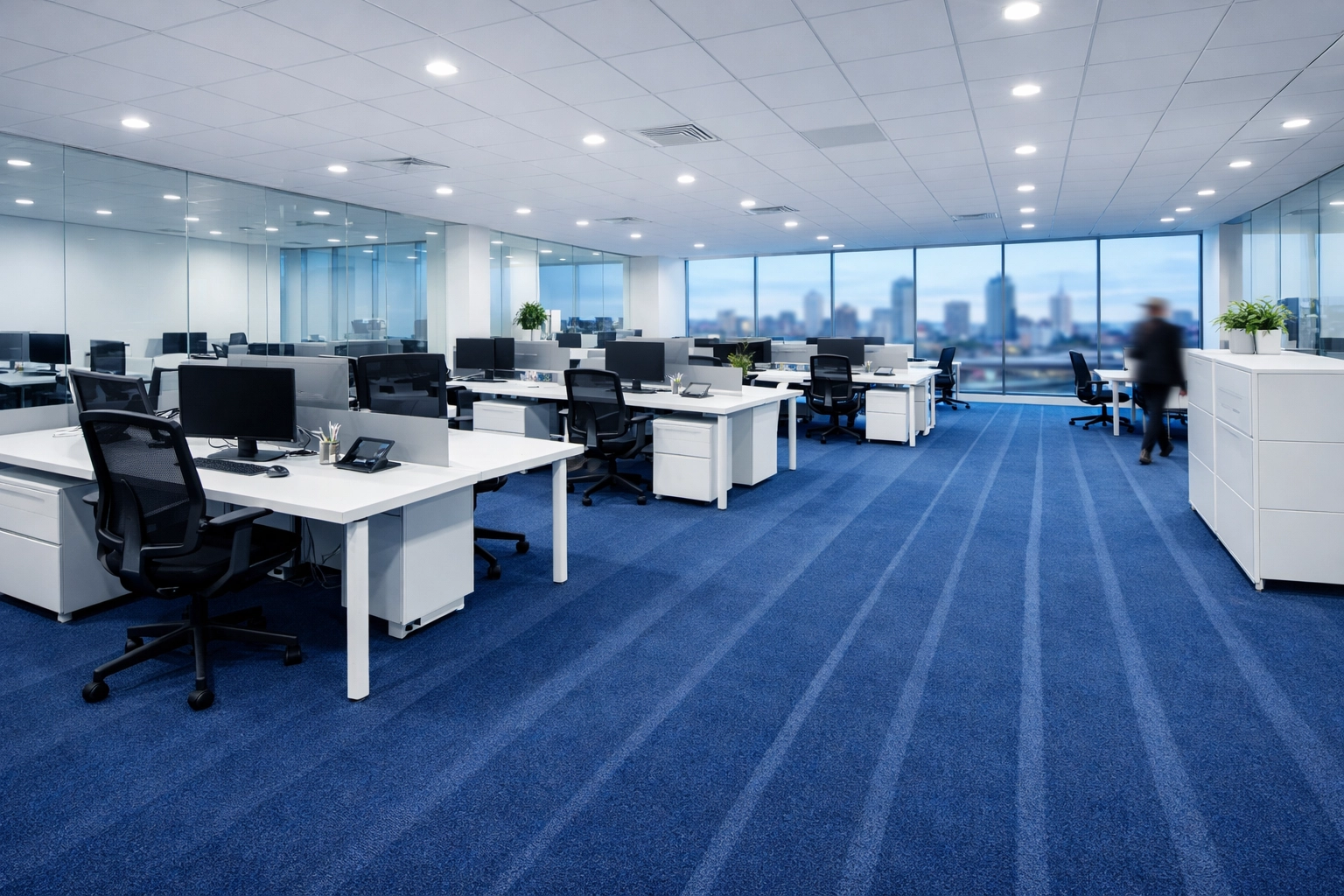
You might be tempted to go for a simple hourly rate, but in our experience, contract cleaning offers far better value for money.
When you sign a contract, you aren't just buying "hours"; you’re buying a result. A fixed monthly fee means your cleaning provider takes on the responsibility of managing absences, providing equipment, and ensuring the chemicals used are safe and effective. It makes your accounting much easier, too: no surprise invoices at the end of the month!
If you're still on the fence about what level of service you need, check out our guide on what commercial cleaning actually means to see where your business fits.
The "Cheap" Trap: Why the lowest quote can cost you more
We’ve all been there. You get three quotes, and one is significantly lower than the others. It’s tempting, but "cheap" in the cleaning industry usually means one of three things:
- The cleaners aren't being paid a legal wage.
- The company has no insurance (a huge risk for you!).
- They are cutting corners on hygiene and safety.
Poor cleaning leads to demoralised staff and, in the worst cases, health and safety issues. We’ve seen businesses lose thousands in productivity because of "cheap" cleaning that resulted in recurring office illnesses or damaged equipment. In fact, many of our clients come to us after making some of these common office cleaning mistakes.
Beyond the Mop: Facilities Management
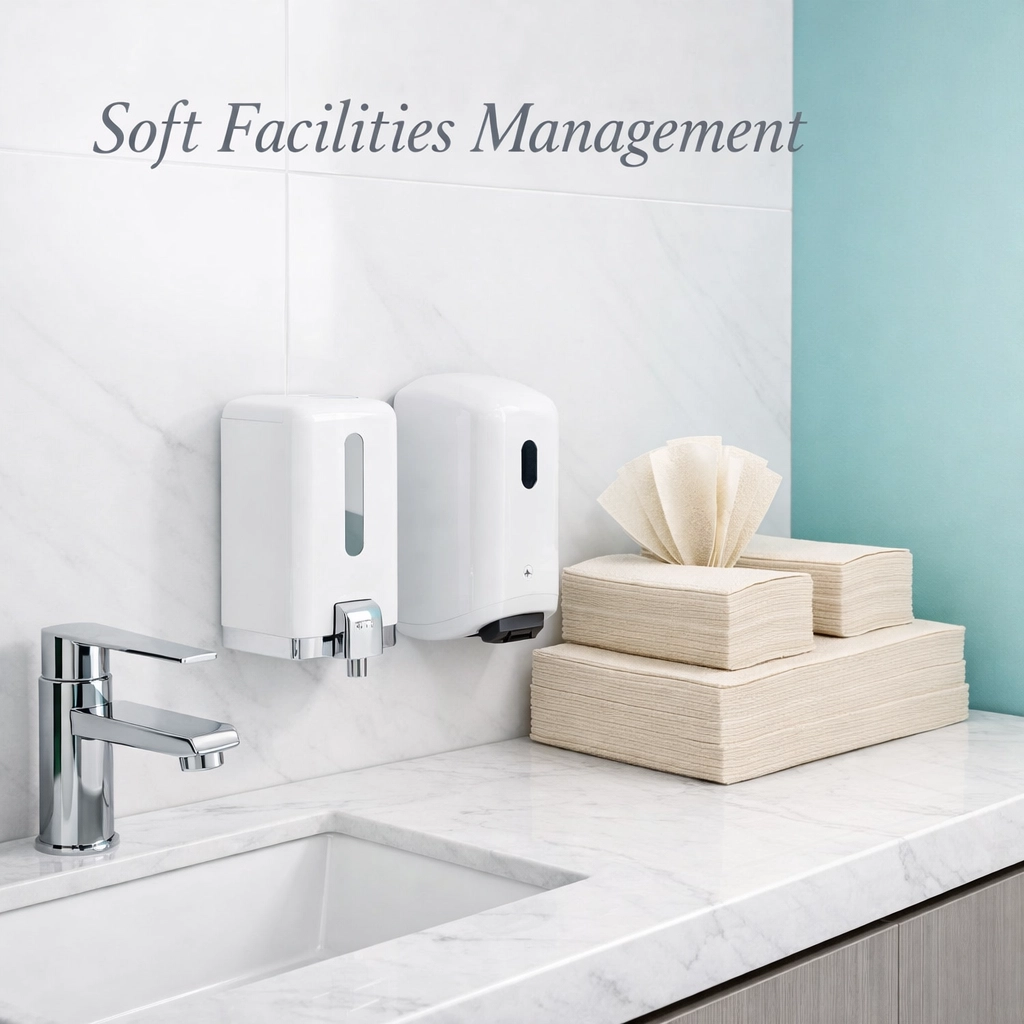
In 2026, many businesses are moving away from hiring multiple contractors. Instead, they are looking for "Soft Facilities Management." This is where we handle not just the cleaning, but also your hygiene supplies, waste management, and even minor maintenance.
By bundling these services, you often save money. It reduces the administrative burden on your team (one invoice, one point of contact) and ensures that your building is managed holistically. If you want to dive deeper into how this works, take a look at our article on how Soft FM boosts business efficiency.
How to get an accurate quote
Think of a cleaning quote like a tailored suit: it needs to fit perfectly. To get the most accurate price for your Central Scotland business, have the following info ready:
- The total square footage of the area to be cleaned.
- The number of desks/workstations and staff members.
- The number of toilets and kitchenettes.
- Specific flooring types (carpets vs. hard floors).
- Your desired frequency (daily, twice weekly, etc.).
Wrapping Up
Pricing for commercial cleaning services in 2026 is about more than just a person with a vacuum. It’s about compliance, hygiene technology, and supporting a local workforce. While the rates of £20–£30 per hour are the current standard in Central Scotland, the real value lies in the peace of mind that your workspace is safe, clean, and professional.
At BD365, we’re proud to serve the businesses that keep Scotland moving. From the bustling streets of Glasgow to the corporate hubs of Edinburgh, we’re here to provide cleaning solutions that make sense for your bottom line.
Ready to get a precise figure for your site? Let's chat. We’ll walk through your requirements and build a plan that keeps your office spotless without breaking the bank. After all, a clean office isn't just an expense: it’s an investment in your people.

Summary of 2026 Pricing Insights:
- Standard Rates: £20–£30 per hour.
- Location Impact: Edinburgh/Glasgow are slightly more expensive but still lower than the UK national average.
- Staffing: Costs are higher for sites with 25+ employees due to increased footfall.
- Specialist Services: Expect to pay a premium for labs, biohazard, or extreme cleaning needs.
- Contracts: Fixed monthly contracts offer better budget stability and management than ad-hoc hourly work.