TL;DR: The Quick Read
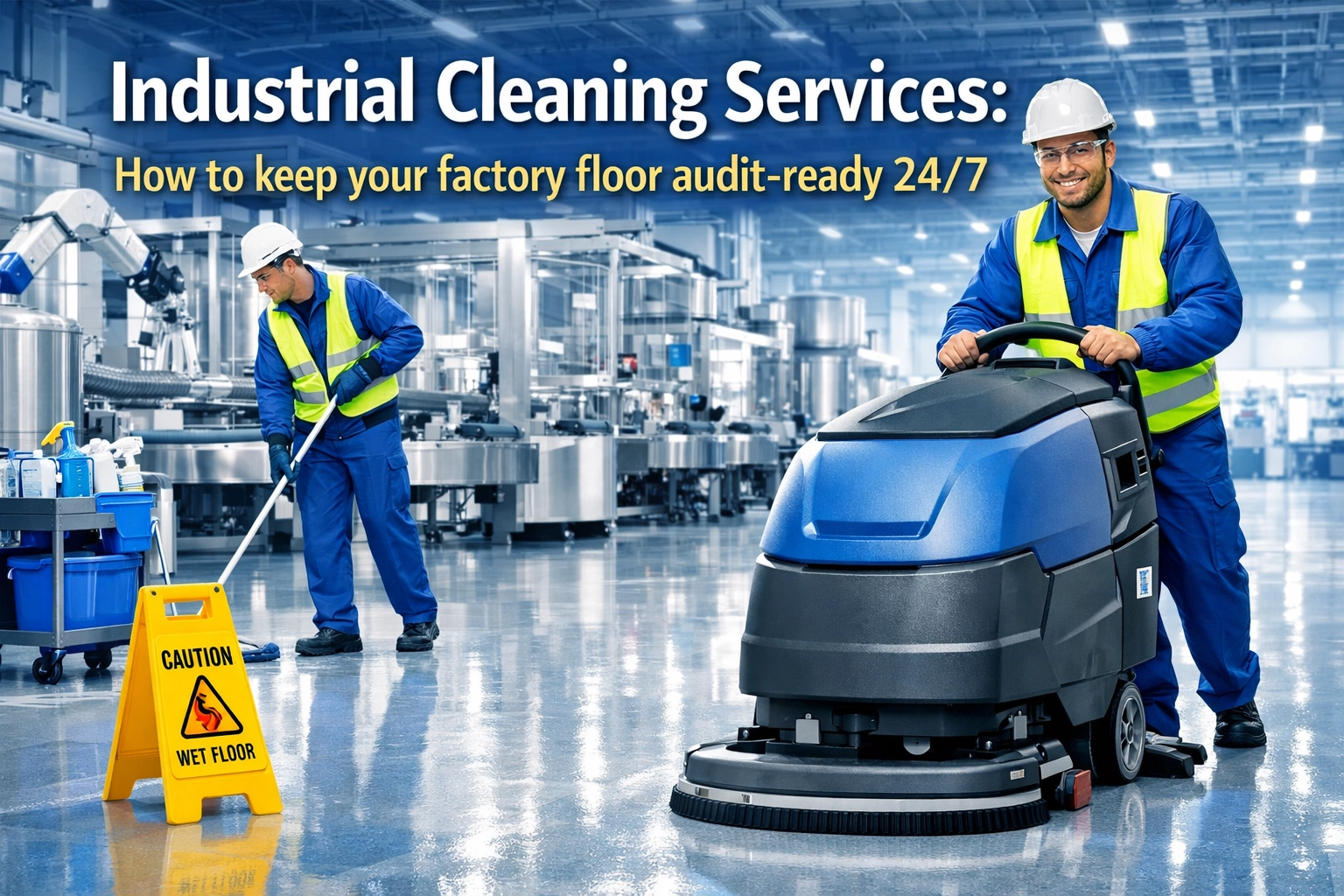
Maintaining an audit-ready factory floor isn’t about a frantic deep clean the night before the inspectors arrive. It’s about consistent, documented, and professional industrial cleaning services. To stay compliant in Central Scotland’s competitive manufacturing landscape, you need a contract cleaning partner that understands specialized equipment, COSHH regulations, and the unique challenges of high-traffic industrial zones. Focus on bespoke schedules, specialized staff training, and high-spec machinery to ensure your facility is safe, efficient, and always ready for scrutiny.
Let’s be honest for a second. There is nothing quite like the "pre-audit panic." We’ve all seen it: the sudden flurry of activity, the frantic scrubbing of corners that haven't seen a cloth in months, and the general sense of dread as the inspection date looms on the calendar.
But here’s the thing: if you’re running a manufacturing site or an industrial facility in Central Scotland: whether you’re in the heart of Glasgow’s engineering hubs or the food production corridors of West Lothian: operating in "panic mode" is a recipe for disaster.
In the world of modern manufacturing, "clean enough" is no longer the standard. Between health and safety regulations, ISO certifications, and industry-specific audits like BRC for food or MHRA for pharmaceuticals, your facility needs to be "audit-ready" 24 hours a day, 7 days a week.
So, how do you bridge the gap between a busy, messy production floor and a pristine, compliant environment? It starts with moving away from basic janitorial thinking and embracing professional industrial cleaning services.
Why Your Current Cleaning Routine Might Be Failing You
A lot of businesses make the mistake of treating industrial cleaning like office cleaning. They hire a standard commercial cleaning company, give them a mop and some multi-purpose spray, and hope for the best.
But industrial environments are different beasts entirely. You aren’t just dealing with coffee rings and dust on monitors. You’re dealing with:
- Heavy grease and oil buildup that creates slip hazards.
- Microbial risks in food and beverage production.
- Combustible dust in woodworking or chemical processing.
- Specialized machinery that requires delicate, non-corrosive cleaning agents.
If your cleaning team doesn't understand these nuances, they aren’t just failing to clean; they might actually be creating safety risks. This is why specialized contract cleaning is a necessity, not a luxury.
The Three Pillars of 24/7 Audit Readiness
To keep your floor in top shape without the last-minute stress, you need a strategy built on three core pillars: Consistency, Specialization, and Documentation.
1. The Power of a Bespoke Cleaning Schedule
No two factories are the same. A bottling plant in Falkirk has completely different needs than a precision engineering firm in Livingston. A one-size-fits-all approach to cleaning simply doesn't work.
When we talk about being "audit-ready 24/7," we mean building a schedule that mirrors your production cycles. This involves:
- Daily Maintenance: High-traffic walkways, touchpoints, and debris removal.
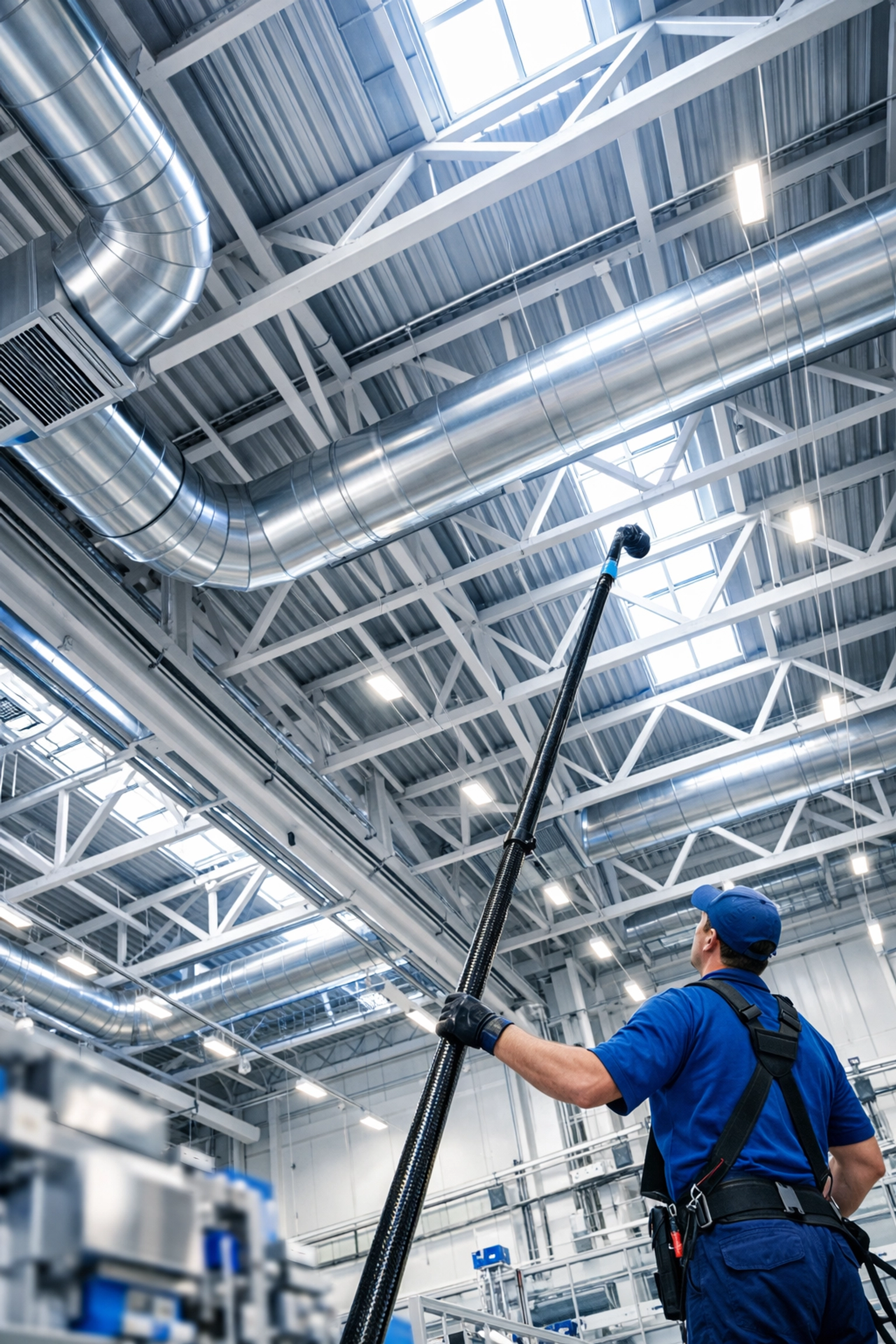
- Periodic Deep Cleans: High-level cleaning (rafters and vents), degreasing behind machinery, and floor stripping/resealing.
- Reactive Cleaning: Having a plan for spills and leaks so they don't become permanent stains or safety hazards.
By integrating these into your daily operations, the "big clean" before an audit becomes just another day at the office.
2. Specialized Equipment and Expertise
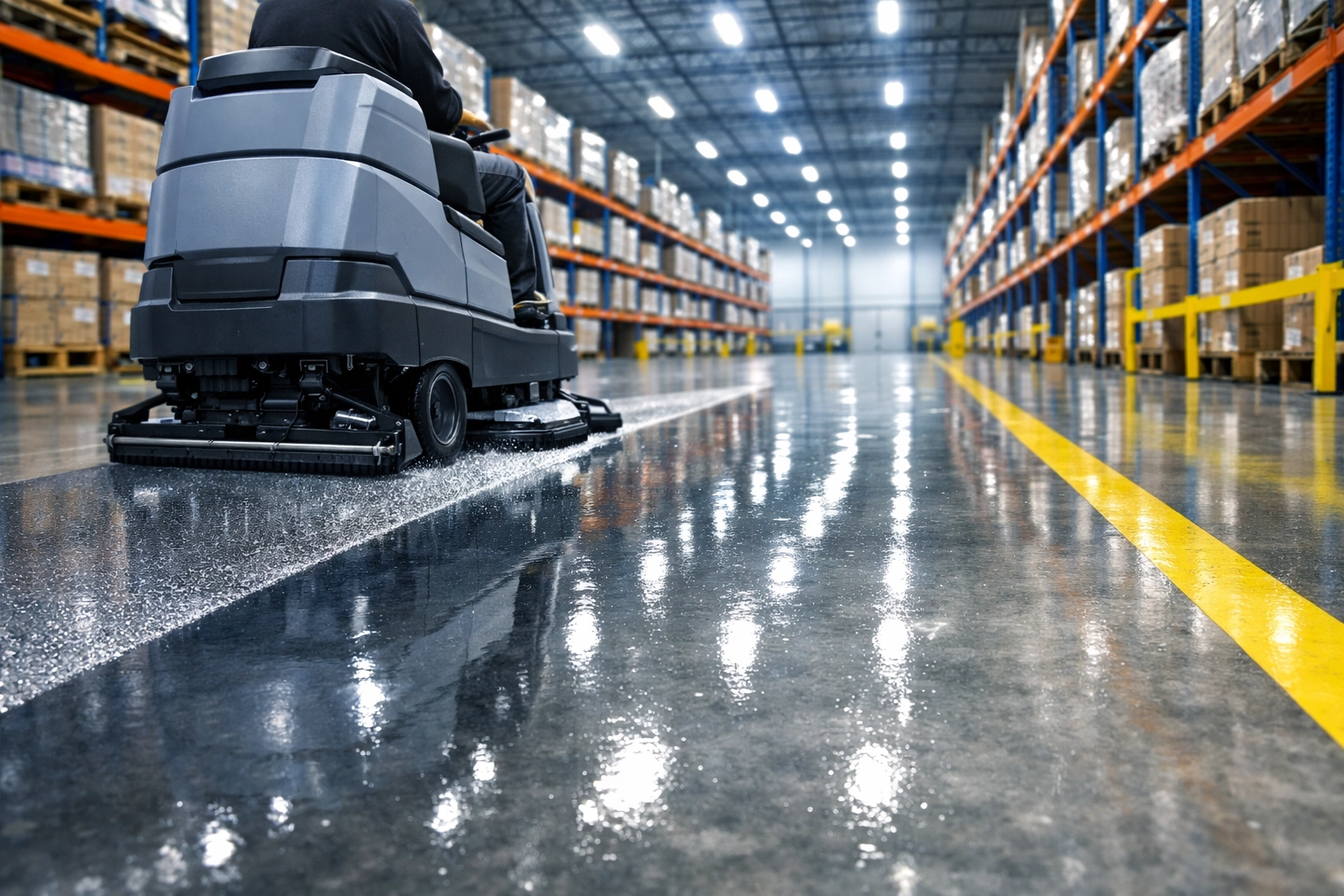
You wouldn't use a toothbrush to scrub a warehouse floor (unless you had a lot of time on your hands), yet many facilities use underpowered equipment. Industrial-grade floor scrubbers, steam cleaners, and HEPA-filter vacuums are essential for maintaining standards.
Furthermore, the staff behind the machines matter. Professional industrial cleaning services ensure that teams are trained in:
- COSHH (Control of Substances Hazardous to Health): Knowing exactly which chemicals to use on which surfaces.
- Machine Safety: Working safely around moving parts and heavy plant equipment.
- Cross-Contamination Prevention: Crucial for facilities that handle different materials or food products.
If you're unsure if your current setup is up to scratch, it might be worth looking into how to choose the best commercial cleaning company.
3. Documentation: The Auditor’s Best Friend
An auditor might see a clean floor, but if you can’t prove when it was cleaned, how it was cleaned, and who did it, you’re going to have a hard time.
A professional contract cleaning partner provides the paper trail. This includes cleaning logs, safety data sheets (SDS) for all chemicals used, and proof of staff training. In the eyes of an inspector, if it isn't documented, it didn't happen.
Beyond the Floor: Addressing the "Hidden" Audit Triggers
Auditors are trained to look where you don't. While your main production floor might look spotless, they will often check:
- The Rafters and High-Level Piping: Dust buildup here can fall back onto products or become a fire hazard.
- The Corners and Skirtings: Where "ghost" debris tends to hide.
- The Staff Canteen and Toilets: These areas are often used as a barometer for the overall hygiene culture of the company.
- Specialist Areas: If your site handles sensitive materials, you may even require biohazard cleaning services to meet specific legal requirements.
The Central Scotland Context: Why Local Expertise Matters
Working with a cleaning partner that understands the Central Scotland landscape offers a huge advantage. Whether it’s navigating the logistics of the M8 corridor to ensure staff arrive on time for a shift change, or understanding the specific environmental regulations enforced in Scottish industrial zones, local knowledge counts.
At BD365, we’ve seen first-hand how a clean environment impacts the bottom line for Scottish businesses. It’s not just about passing an audit; it’s about staff morale. Think about it: would you rather work in a dark, greasy, dusty warehouse or a bright, clean, well-maintained facility? A clean workplace reduces absenteeism and boosts productivity. It’s pretty straightforward, right?
The "Human Touch" in a Machine-Driven World
Even with the best ride-on scrubbers and high-pressure washers, the human element remains the most important factor in industrial cleaning. You need eyes on the ground that can spot a small hydraulic leak before it becomes a major slip hazard. You need a team that takes pride in the "finish" of a job.
This is why we often talk about the future of office cleaning and industrial cleaning as a blend of tech and talent. Innovation is great, but it’s the person holding the equipment who ensures the corners are actually clean.
How to Make the Switch to Professional Contract Cleaning
If your current setup is leaving you stressed every time an audit window opens, it’s probably time to rethink your strategy. Moving from an in-house team or a basic janitorial service to a comprehensive facilities management approach can feel like a big leap, but the peace of mind is worth it.
By partnering with a dedicated commercial cleaning company, you offload the management headache of:
- Recruiting and training cleaning staff.
- Maintaining expensive cleaning machinery.
- Staying up to date with ever-changing H&S legislation.
- Managing stock and chemical inventories.
It allows you to focus on what you do best: manufacturing and production: while we handle the dirt. If you're wondering what this looks like in practice, you might find our guide on what commercial cleaning actually means helpful.
Summary: Your Audit-Ready Checklist
To wrap things up, if you want to keep your factory floor audit-ready 24/7, here is your "no-stress" checklist:
- Audit Your Current Provider: Are they using industrial-grade equipment or just domestic tools?
- Check the Logs: Is your cleaning documentation up to date and easily accessible for an unannounced visit?
- Look Up: When was the last time your high-level rafters or vents were cleaned?
- Review Your Schedule: Does cleaning happen around your production, or does it interfere with it?
- Empower Your Staff: Does everyone on the floor know the procedure for a spill?
- Consider FM Integration: Would your business benefit from soft facilities management to streamline all your non-core services?
Keeping a factory clean in the middle of a busy production cycle is hard work: there’s no denying that. But with the right industrial cleaning services and a proactive mindset, you can turn that "pre-audit panic" into "pre-audit confidence."
The good news? These mistakes are totally fixable. Whether you’re in Edinburgh, Glasgow, or anywhere in between, a spotless, compliant, and safe factory floor is within reach.
Ready to stop worrying about your next inspection? Let’s get your facility audit-ready.